
Biosciences: Molecular Systems Biology
What does a cell require in order to function? The Molecular Systems Biology track gives students a solid understanding of the theories and concepts behind state-of-the-art technologies used for systems biology research in a variety of molecular bioscience disciplines.
Duration
2 years
Starting Date
late August
Tuition Fee
EU/EEA countries or Switzerland: Free
non-EU/EEA: €12,000 per year
Location
Turku, Finland
About the programme
Function of a cell requires a multitude of molecular interactions and signaling cascades, which form complex regulatory networks orchestrating metabolic reactions. What are the identities of these molecular components? How do they function? How are they regulated and what are their positions in the molecular networks? Marked progress in omics technologies and constantly deepening mechanistic understanding of cell functions have provided us an opportunity to get a holistic systems biology view on biological processes.
Molecular Systems Biology track offers extensive training in modern molecular biology and education focused on systems biology: genomics, transcriptomics, proteomics, and gene/protein structure-function relationships. It has a special focus on practical laboratory skills and molecular interaction networks.
Career Prospects
Master´s Programme in Biosciences educates future experts for positions in academia, industry, and the public sector. Students graduating from the programme are eligible for scientific postgraduate degree studies and may work, among others, as:
- Research scientist
- Lecturer
- Project manager
- Research coordinator
Career in Research
A Master of Science degree provides you with eligibility for scientific postgraduate degree studies. Postgraduate degrees are doctoral and licentiate degrees. Degrees can be completed at the University of Turku in the University of Turku Graduate School and one of the Doctoral Programmes.
Other interesting programmes
-
-

BBA in Sustainable and Social Entrepreneurship
- Do you want to help organisations become more sustainable? Study to become a leader with an entrepreneurial mindset skilled in…
Do you want to help organisations become more sustainable? Study to become a leader with an entrepreneurial mindset skilled in driving positive social, environmental, and economic impact with the Sustainable and Social Entrepreneurship from University of Turku.
-
-
-

B.Sc.(Tech.) in Information and Communication Technology
- Do you want to be at the forefront of building information societies of the future? Study to become an expert…
Do you want to be at the forefront of building information societies of the future? Study to become an expert with the latest knowledge and skills in ICT with the Information and Communication Technology from University of Turku.
-
-
-

Public Mental Health
- Interested in becoming an expert in Public Mental Health? Gain the intellectual foundation and specialised skills you need to become…
Interested in becoming an expert in Public Mental Health? Gain the intellectual foundation and specialised skills you need to become an expert on mental health service systems, prevention and interventions for children, adolescents, and families.
-
-
-

Mechanical Engineering: Smart Systems
- The Master’s Degree Programme in Mechanical Engineering: Smart Systems of the University of Turku will enable you to design and…
The Master’s Degree Programme in Mechanical Engineering: Smart Systems of the University of Turku will enable you to design and develop cutting-edge smart technologies for a wide variety of applications and in various branches of industry.
-
-
-
Mechanical Engineering: Digital Manufacturing
- The Master’s Degree Programme in Mechanical Engineering: Digital Manufacturing of the University of Turku will train you to be an…
The Master’s Degree Programme in Mechanical Engineering: Digital Manufacturing of the University of Turku will train you to be an expert with thorough theoretical understanding and practical skills in next-generation 3D printing, other digital manufacturing, and traditional manufacturing technologies.
-
-
-

Mechanical Engineering: Digital Design
- The Master’s Degree Programme in Mechanical Engineering: Digital Design at the University of Turku will help you develop design thinking…
The Master’s Degree Programme in Mechanical Engineering: Digital Design at the University of Turku will help you develop design thinking to create and optimise products, services and systems with a human-oriented approach.
-
-
-
Materials Engineering: Modern Industrial Materials
- The Master’s Degree Programme in Materials Engineering: Modern Industrial Materials at the University of Turku trains professionals in materials engineering…
The Master’s Degree Programme in Materials Engineering: Modern Industrial Materials at the University of Turku trains professionals in materials engineering with a special focus in selecting and characterising materials for the needs of advanced industrial applications.
-
-
-
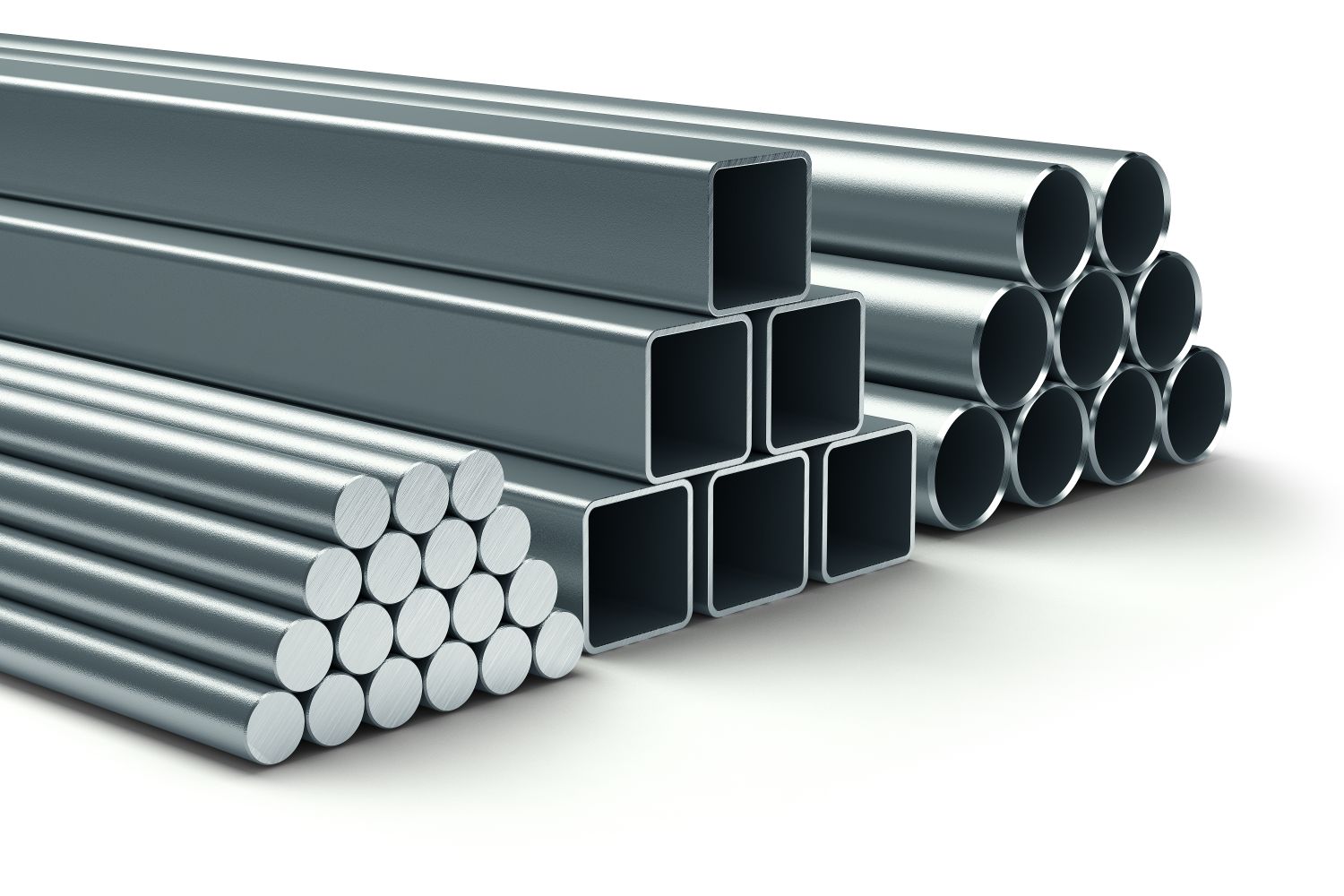
Materials Engineering: Materials of Energy Technology
- The Master’s Degree Programme in Materials Engineering: Materials of Energy Technology at the University of Turku trains professionals in materials…
The Master’s Degree Programme in Materials Engineering: Materials of Energy Technology at the University of Turku trains professionals in materials engineering with a special focus on energy materials.
-
-
-
Materials Engineering: Health Technology Materials
- The Master’s Degree Programme in Materials Engineering: Health Technology Materials at the University of Turku trains professionals in materials engineering…
The Master’s Degree Programme in Materials Engineering: Health Technology Materials at the University of Turku trains professionals in materials engineering with a particular focus on developing biomaterials to the needs of health technology applications.
-
-
-

Information and Communication Technology: Software Engineering
- The Master’s Degree Programme in Information and Communication Technology: Software Engineering at the University of Turku prepares you for a…
The Master’s Degree Programme in Information and Communication Technology: Software Engineering at the University of Turku prepares you for a full life cycle of demanding software systems, starting from their design and finishing with their implementation.
-
-
-

Information and Communication Technology: Robotics and Autonomous Systems
- The Master’s Degree Programme in Information and Communication Technology: Robotics and Autonomous Systems at the University of Turku provides a…
The Master’s Degree Programme in Information and Communication Technology: Robotics and Autonomous Systems at the University of Turku provides a competitive skillset in autonomous embedded systems based on Internet of Things (IoT). Main application areas of the researched systems are mobile robotic systems and smart environments.
-
-
-

Information and Communication Technology: Data Analytics
- The Master’s Degree Programme in Information and Communication Technology: Data Analytics at the University of Turku trains specialists for the…
The Master’s Degree Programme in Information and Communication Technology: Data Analytics at the University of Turku trains specialists for the effective use of data in research, decision-making, and society. The focus of teaching is on understanding and applying the operational principles of the key data analysis methods in practice.
-